
The UAE has continued its steady programme of corporate law reform aimed at improving the…
READ MORE

back
What UAE Businesses Need to Know about Mandatory E-Invoicing
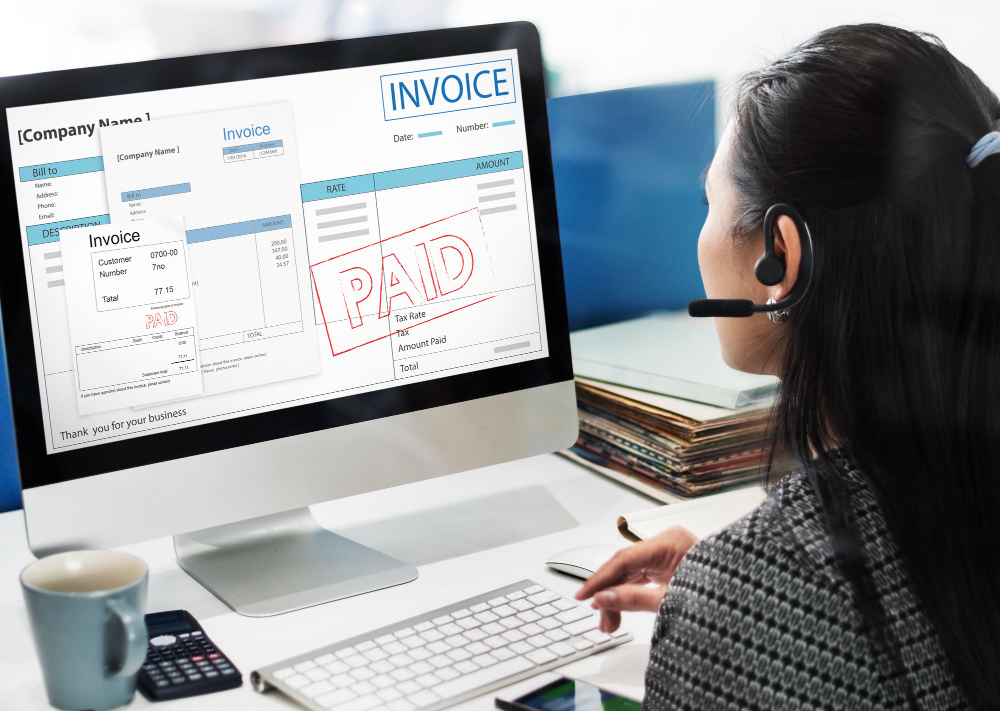
The United Arab Emirates (UAE) has taken another major step toward digital transformation in tax compliance with the introduction of Ministerial Decisions No. 243 and 244 of 2025, which set out the country’s first mandatory e-invoicing framework. These measures, issued under the Federal Decree-Law No. 8 of 2017 on Value Added Tax (VAT) and the Federal Decree-Law No. 28 of 2022 on Tax Procedures, aim to modernize business reporting, enhance tax transparency, and align the UAE with global best practices in electronic invoicing.
Electronic Invoicing
E-invoicing will become mandatory for all business-to-business (B2B) and business-to-government (B2G) transactions in the UAE by 2027, marking a significant modernization of the VAT system. Similar frameworks have already been implemented in jurisdictions such as Saudi Arabia and the European Union, and the UAE’s adoption confirms its commitment to digital integration and fiscal transparency.
Under the new regime, all taxable persons must issue and store invoices electronically in a structured digital format that allows seamless validation and transmission to the Federal Tax Authority (FTA). Traditional paper invoices and non-standard PDF formats will be phased out.
FTA Central E-Invoicing Platform and Accreditation Service Providers
Ministerial Decision No. 243 of 2025 establishes the technical, procedural, and compliance requirements for e-invoicing, while Ministerial Decision No. 244 of 2025 sets out the implementation timeline and transitional arrangements. These regulations supplement the Cabinet Decision No. 52 of 2017 (Executive Regulations of the VAT Law), ensuring that e-invoicing obligations are fully integrated into existing VAT procedures.
The FTA will oversee the rollout and maintain the central e-invoicing platform, through which all invoices and credit notes must be authenticated and archived. Businesses may connect directly to the platform or operate through FTA-accredited service providers, who must comply with strict cybersecurity and data protection standards.
Scope and Key Obligations
The obligation applies to all registered taxable persons in the UAE, including free zone entities involved in taxable supplies. Certain sectors, such as sovereign bodies, regulated financial institutions, and specific transport services, may qualify for exemptions or delayed implementation. Voluntary participation is also permitted during the transition period.
Key business obligations under the new system include:
- Issuing compliant electronic invoices and credit notes within 14 days of the taxable transaction.
- Ensuring all invoices contain mandatory fields, including unique identifiers, VAT registration numbers, and timestamps.
- Reporting transactions to the FTA electronically through the designated interface.
- Maintaining and storing all e-invoices within the UAE for the retention period set out in the Tax Procedures Law (generally five years).
- Notifying the FTA within two working days of any technical or connectivity issues affecting compliance.
Implementation Timeline
The rollout will occur in phases to give businesses time to adapt their systems. According to Ministerial Decision No. 244 of 2025, the deadlines are as follows:
| Category | Appointment of Provider | Go-Live Deadline |
|---|---|---|
| Large taxpayers (≥ AED 50 million) | 31 July 2026 | 1 January 2027 |
| Small and medium taxpayers (< AED 50 million) | 31 March 2027 | 1 July 2027 |
| Government entities | 31 March 2027 | 1 October 2027 |
After these dates, e-invoicing will become mandatory and non-compliance may attract administrative penalties under the Tax Procedures Law.
Compliance and Implementation Strategy
The transition to e-invoicing requires careful planning. Businesses should begin by assessing whether they fall under the first or second implementation phase and determine how their current accounting or ERP systems will integrate with the FTA platform.
It is advisable to:
- Select an accredited e-invoicing provider early to allow sufficient time for testing and integration.
- Update internal processes and contracts to ensure invoicing and payment terms align with the electronic format.
- Train finance and compliance teams on new reporting requirements.
- Review cybersecurity and data retention policies, as electronic records will now carry legal evidentiary weight.
- Takeaway
Mandatory e-invoicing represents a major advancement in the UAE’s digital tax landscape. Beyond improving efficiency, the system aims to reduce errors, combat VAT fraud, and enhance real-time visibility for the Federal Tax Authority. For businesses, early preparation is key, those that upgrade systems and controls now will benefit from smoother implementation and reduced risk of disruption.
By aligning its regulatory framework with leading international standards, the UAE continues to position itself as a regional hub for compliant, technology-driven commerce and a pioneer in digital fiscal governance.
About INP IBRAHIM .N. PARTNERS
INP IBRAHIM .N. PARTNERS is an independent MENA-region law firm based in the ADGM, Abu Dhabi, led by our Managing Partner, Ahmed Ibrahim, and is comprised of a team of lawyers that are experts in advising on all aspects of UAE law. We are the most active law firm in the GCC in equity capital markets. Furthermore, we advise both local and international companies on a full range of issues from contentious and non-contentious corporate and commercial matters, including major project work, establishing, and conducting business across the Emirates, joint ventures, mergers and acquisitions, equity capital market, legal due diligence, employment matters, property, structuring, distributions and franchise arrangements.
Please reach out to us at [email protected] for any additional information.
WHAT IS NEW
MORE NEWS & UPDATES
Price Stabilisation in UAE Capital Markets: From Regulatory Ambiguity to Statutory Certainty Over the past more than five years, price…
READ MORE